
Picture Naming
One clear picture at a time: say what it is. When the word does not come, a clue ladder helps a little more at each step, and the word can always be shown and heard. A word finding practice activity.
Made for adults with naming difficulties, for example after a stroke, so it is kept simple on purpose.
Presets (free)
Settings dialsPro
Try the Pro dials: one round a day, free.Change any dial below and your next round uses them.
The person taps I said it themselves. The word appears each time, so they can check it.
This is a practice activity, not a test, an assessment or speech therapy. It makes no claim to change word finding, speech or language, and it does not replace the advice of the person's own healthcare team or speech-language pathologist.
A picture appears. Say what it is. If the word does not come, tap Clue.
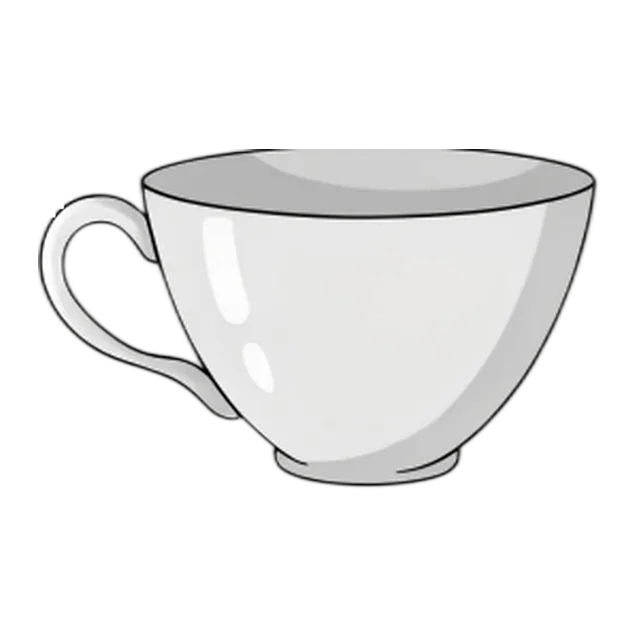
What is this?
Preview: 10 pictures, common words, the clue ladder
About Picture Naming
A picture of an everyday thing appears with the question What is this? The person says the word. When it does not come, the Clue button gives a little more help at each step: a meaning clue, a sentence to finish, the first sound, then two to four written words to choose from. The word can always be shown and heard.
The round ends with plain counts: how many pictures were named with no clue, how many after a clue and which kind, how many were chosen from the written words or shown, and a row of the words to practice again. Who marks, read aloud, large print and high contrast are always free.
It is designed to support word finding practice for adults after stroke or brain injury, with aphasia, or living with dementia, in sessions and at the kitchen table. Nothing is typed and no microphone is used.
About the Picture Naming exercise
At the kitchen table, someone wants the can opener. They can say it lives in the drawer by the stove, and their hand turns an invisible handle in the air, but the word itself will not come. Everyone has tip-of-the-tongue moments. After a stroke or brain injury, with aphasia, or with dementia, they can come many times a day.
Picture Naming is a free word finding practice activity. A clear picture of an everyday thing appears with the question What is this? The person says the word. When it does not come, the Clue button gives a little more help at each step: a meaning clue, a sentence to finish, the first sound, then two to four written words to choose from. The word can always be shown and heard, and a round ends with plain counts and a row of the words to practice again.
How the clue ladder works
Speech-language pathologists help a word along with a cue ladder: a little more help at each step, stopping as soon as the word comes. The screen's Clue button climbs the same ladder, from the least help to the most, so the person keeps as much of the search as they can.
- Wait. The picture and the question sit there with no clock. After a quiet spell the Clue button pulses once, and nothing happens on its own.
- Meaning clue: what it is and what it is for, without the word. Speech-language pathologists call this a semantic cue.
- Finish the sentence: a short everyday sentence with the word missing.
- First sound: the first letter in large type, read as its name. This is the phonemic cue, the strongest spoken one, so it comes late.
- Choices: two to four written words as big buttons. Picking the word is easier than recalling it, and the answer is still the person's own.
- Show the word: the word in large type, read aloud, with a moment to say it together before Next.
What Picture Naming practices
- Finding the word
- The picture gives the meaning and asks for the name. Saying it with no clue is the whole task; the ladder is there for the times the word stays out of reach.
- Using a clue
- A meaning clue, a sentence frame and a first sound each narrow the search in a different way. Which one brings the word tells a helper something useful about what to try at home.
- Recognising the word
- When recall does not come, choosing the word from a short list keeps the person in the activity and ends the item with the right word said aloud.
- Saying it again
- Every item ends with the word on screen and in the ear, whether it was said, chosen or shown, so there is always a chance to say it once more.
How the tool works and what it records
Three free presets: 10 pictures with the clue ladder, 10 pictures with choices only, and 15 pictures with the clue ladder, all from the common words. The pictures are 120 everyday things in eight groups: food and drink, kitchen, around the house, clothing and personal things, animals, getting around, tools and garden, and nature and weather, drawn one object to a picture with nothing to read inside them. Pro opens the dials: 5 to 30 pictures, one group only, less common words, choices on request, 2 to 4 written choices, and the quiet time before the Clue button pulses, from 5 to 30 seconds. Always free: who marks a spoken answer (the person or a helper), read aloud, large print and high contrast.
Nothing is typed and no microphone is used. A spoken answer is marked with a tap: I said it, or They said it when a helper sits alongside. The results are plain counts: how many pictures were named with no clue, how many after a clue and which kind, how many were chosen from the written words, how many were shown or skipped, the typical time before the first tap, and the words to practice again. Signed-in users get 5 free rounds per tool per day; Pro removes the cap, saves rounds to the session log, sends the exercise home as a practice link, and prints picture sheets with a separate key page for the helper.
Screen or paper?
The screen deals fresh pictures every round, reads the question and the clues aloud, keeps the written choices one tap away, and counts what happened without anyone keeping notes. Paper suits a partner at the table who wants to hold the key page and give the cues in their own voice: the printed picture sheets from this tool, or the store's Finish the Phrase sayings, which work the same ladder with a sentence instead of a picture.
The printable version is the Finish the Phrase Worksheets on rehabworksheets.com, and there is a word finding exercises for adults to try first, with no email required.
Is this a test?
This is a practice activity, not a test, an assessment or speech therapy. It makes no claim to change word finding, speech or language, and it does not replace the advice of the person's own healthcare team or speech-language pathologist. The counts are a record of practice for comparing rounds run the same way, nothing more.
Using it well
- Give time before the first clue. A long pause is the person searching, and early help can cut the search short. Let the quiet spell run; the Clue button only pulses, it never acts.
- Ask before you help. With a helper alongside, a quick would you like a clue lets the person choose. Some would rather keep searching than be given the word.
- Two clues, then move on. Two tries on one picture is plenty. Show the word warmly, say it together, tap Next, and let the words to practice again list bring it back another day.
- Keep it adult and keep it short. Ten pictures is a good round. Finish on one that went well, and keep the settings the same from day to day when you want to see change.
- Use choices only when speaking is hard. The choices only preset shows the written words from the start, so a person who points rather than speaks takes part fully.
Common questions
What are word finding exercises?
Word finding is the split-second search for the word you need while you speak. Word finding exercises give that search a small, clear target: a picture or a sentence with one good answer, a partner, and time. Picture naming is the classic one; naming from a description, finishing a familiar sentence and category naming are others.
Is this speech therapy?
No. Therapy for aphasia is planned by a speech-language pathologist, who chooses tasks, cues and goals for the person in front of them. This activity is designed to support practice between sessions, and an SLP may choose to use it or not. If finding words has become harder, raise it with the person's doctor or ask about seeing an SLP.
Can it be used with aphasia when reading is hard too?
Yes. Every clue is read aloud as well as written, the picture carries the meaning, and a helper can read the screen in their own voice with read aloud off. The written choices are big buttons, and the choices only setting suits a person who points rather than speaks.
Which clue should come first?
The ladder runs from the least help to the most: a meaning clue, then a sentence to finish, then the first sound. The first sound usually brings the word at once, which is why it comes late. The results show which clue brought each word, so a helper can see which kind helps most.
How often should we practice?
A short round on most days suits most people better than a long one once a week. Ten pictures takes a few minutes. Stop while it is still going well, and let the person's speech-language pathologist, if they have one, guide how it fits around their plan.
This exercise supports cognitive stimulation and structured practice. It is not medical treatment or an assessment, and no specific therapeutic outcomes are claimed.